Rug Pull: Understanding the Scam Behind Meme Coins
· based on the channel الأستاذ مهيدي للرياضيات و الفيزياء
Key takeaways
- A rug pull is a scam where developers abandon a crypto project and run away with investors' funds.
- Meme coins are commonly used as vehicles for rug pulls due to hype and low barriers to entry.
- Launching a meme coin involves creating tokens, liquidity pools, and marketing, often with little transparency.
- Investors lose money when liquidity is removed suddenly, preventing selling or withdrawing.
- Due diligence, smart contract audits, and skepticism toward hype reduce the risk of falling victim.
A rug pull is a deceptive scheme in the cryptocurrency world where project developers abruptly abandon a project and withdraw all liquidity, causing investors to lose their funds instantly. This type of scam is particularly prevalent in meme coin launches, where hype and speculative trading attract inexperienced buyers.
What Is a Rug Pull in Cryptocurrency?
A rug pull occurs when creators of a token or project remove liquidity from the market, effectively making it impossible for investors to sell their holdings. The term "rug pull" metaphorically describes the sudden removal of support, leaving investors stranded with worthless tokens.
Developers typically initiate a rug pull by setting up a liquidity pool on decentralized exchanges, inviting investors to trade or stake their tokens. Once a significant amount of capital is locked in, the developers withdraw the liquidity, crashing the token's value to near zero.
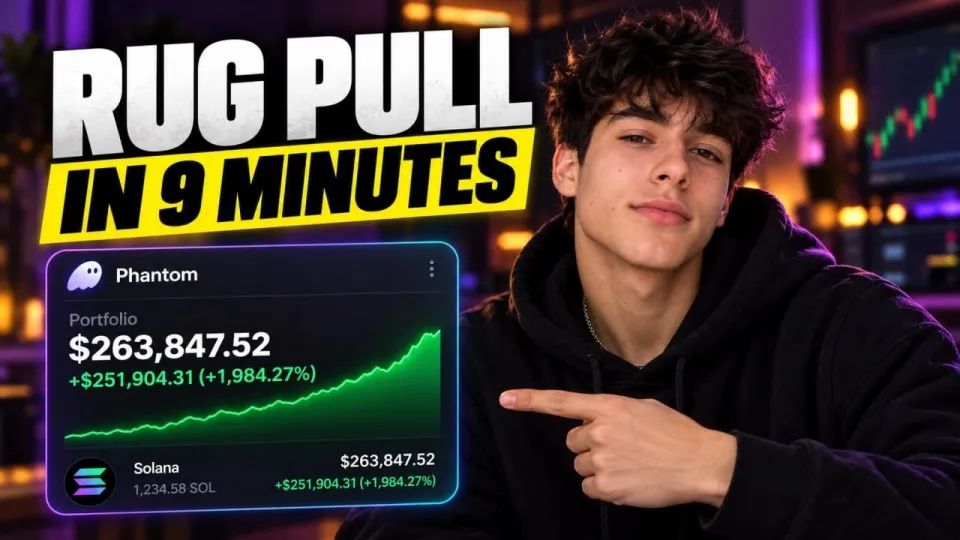
Video: How To Launch A Meme Coin | Rug Pull
How Meme Coins Facilitate Rug Pulls
Meme coins are cryptocurrencies created with little to no fundamental value, often relying on viral marketing and social media hype. Their low barriers to creation and unpredictable price movements make them ideal for rug pull scams.
To launch a meme coin, scammers:
- Create a new token with a catchy name and branding.
- Provide initial liquidity on decentralized exchanges.
- Promote the token aggressively to attract investors.
- Once enough investment is secured, they remove liquidity suddenly, causing huge losses 02:30.
Steps to Launch a Meme Coin and Execute a Rug Pull
The process to launch a meme coin and orchestrate a rug pull involves several technical and marketing steps:
- Token Creation: Developers write and deploy a smart contract to create the token.
- Liquidity Pool Setup: They add tokens and paired assets (like ETH or BNB) to a decentralized exchange liquidity pool.
- Marketing Campaign: Using social media, influencers, and hype tactics to attract buyers.
- Liquidity Drain: At peak investment, the developers remove liquidity from the pool, making it impossible to trade the token effectively.
This sequence exploits investor trust and FOMO (fear of missing out) to maximize capital inflow before the scam is executed 05:45.
Recognizing Signs of a Potential Rug Pull
Identifying a potential rug pull before investing can save substantial losses. Key warning signs include:
- Lack of verified team information or anonymous developers.
- Absence of credible audits for the token’s smart contract.
- Extremely high and unsustainable token rewards or returns.
- Sudden and aggressive social media promotions without clear project fundamentals.
- Illiquid markets with a large portion of tokens held by the developers.
Investors should also monitor liquidity pool changes closely and be cautious when the project has centralized control over liquidity 07:20.
How to Protect Yourself from Rug Pulls
Mitigating the risk of rug pulls requires thorough research and caution:
- Verify the development team's transparency and history.
- Look for independent smart contract audits.
- Avoid tokens with unrealistic promises or hype-driven launches.
- Use decentralized exchanges with safeguards and community trust.
- Diversify investments and avoid putting large sums into new, unproven tokens.
By applying these strategies, investors can reduce exposure to scams and protect capital.
The Impact of Rug Pulls on Crypto Markets
Rug pulls damage investor confidence and the reputation of decentralized finance (DeFi). They contribute to market volatility and skepticism around new projects, especially meme coins.
Regulatory bodies and communities are increasingly pushing for better standards, transparency, and security audits to combat these scams.
Conclusion
A rug pull is a malicious exit scam common in meme coin launches, where developers remove liquidity and leave investors with worthless tokens. Understanding the mechanics of these scams, recognizing warning signs, and practicing due diligence are crucial for safe participation in the crypto space. The channel الأستاذ مهيدي للرياضيات و الفيزياء provides detailed insights into how these schemes occur and how to identify them effectively.
For anyone exploring meme coins or new crypto projects, awareness of rug pulls is essential to avoid significant financial losses and maintain a secure investment portfolio.
Source: How To Launch A Meme Coin | Rug Pull · Markdown version
Questions & answers
What exactly is a rug pull in cryptocurrency?
A rug pull is a scam where crypto project developers suddenly withdraw all liquidity from a token's market, causing its price to crash and making it impossible for investors to sell their tokens.
Why are meme coins often associated with rug pulls?
Meme coins usually have low entry barriers and rely heavily on hype, making them attractive for scammers to create quickly, attract investment, and then execute rug pulls for quick profits.
How can investors spot a potential rug pull before investing?
Investors should look for anonymous teams, lack of audits, overly aggressive marketing, unrealistic returns, and centralized control of liquidity, which are common red flags for rug pulls.
What steps can be taken to avoid falling victim to a rug pull?
Conduct thorough research on the project and developers, verify smart contract audits, avoid hype-driven investments, diversify holdings, and monitor liquidity pools to reduce the risk of rug pulls.